

Should we, can it reach, does it know us, is it safe. Four tests before an agent gets a job, why only the first one is genuinely hard, how marketing moved from what to publish to how, why shared agents beat any workshop, and the honest answer on hiring. Part three of three.

Handbooks, wikis, Notion. We wrote them, nobody read them, and we concluded documentation had bad returns. We were right. The returns were destroyed at the last step, by the reader, and then a reader arrived that does what the document says. On energy gradients, Atlas, and why code review is dying while knowledge review is being born. Part two of three.
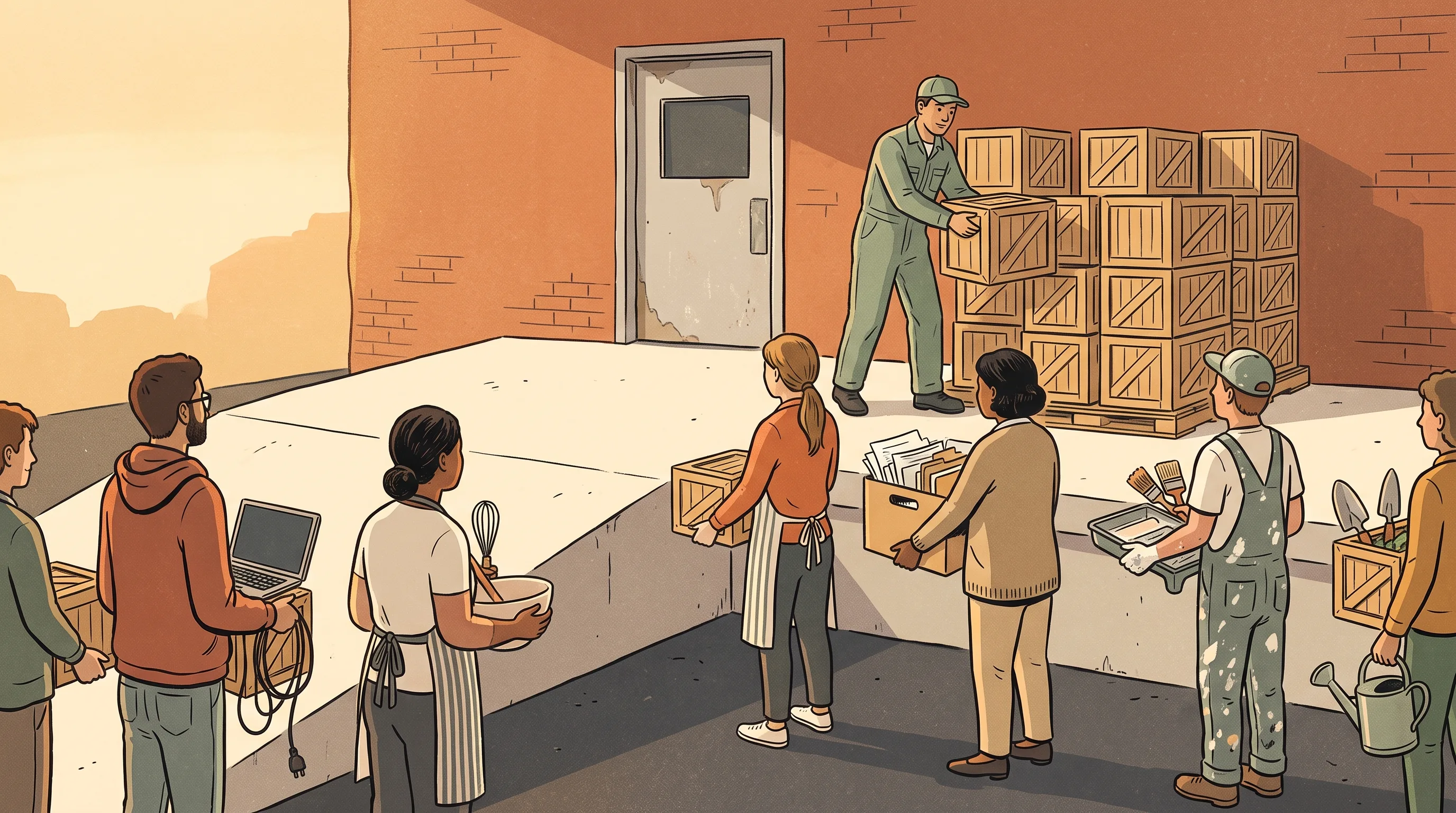
Somebody in sales wants to deploy an automation. They can probably build it now; the hard part is that it has to run somewhere. Platform engineering is thirty years old, and AI just changed who it is for. Also: why ad hoc setup stops being survivable once you take the human out of the loop. Part one of three.
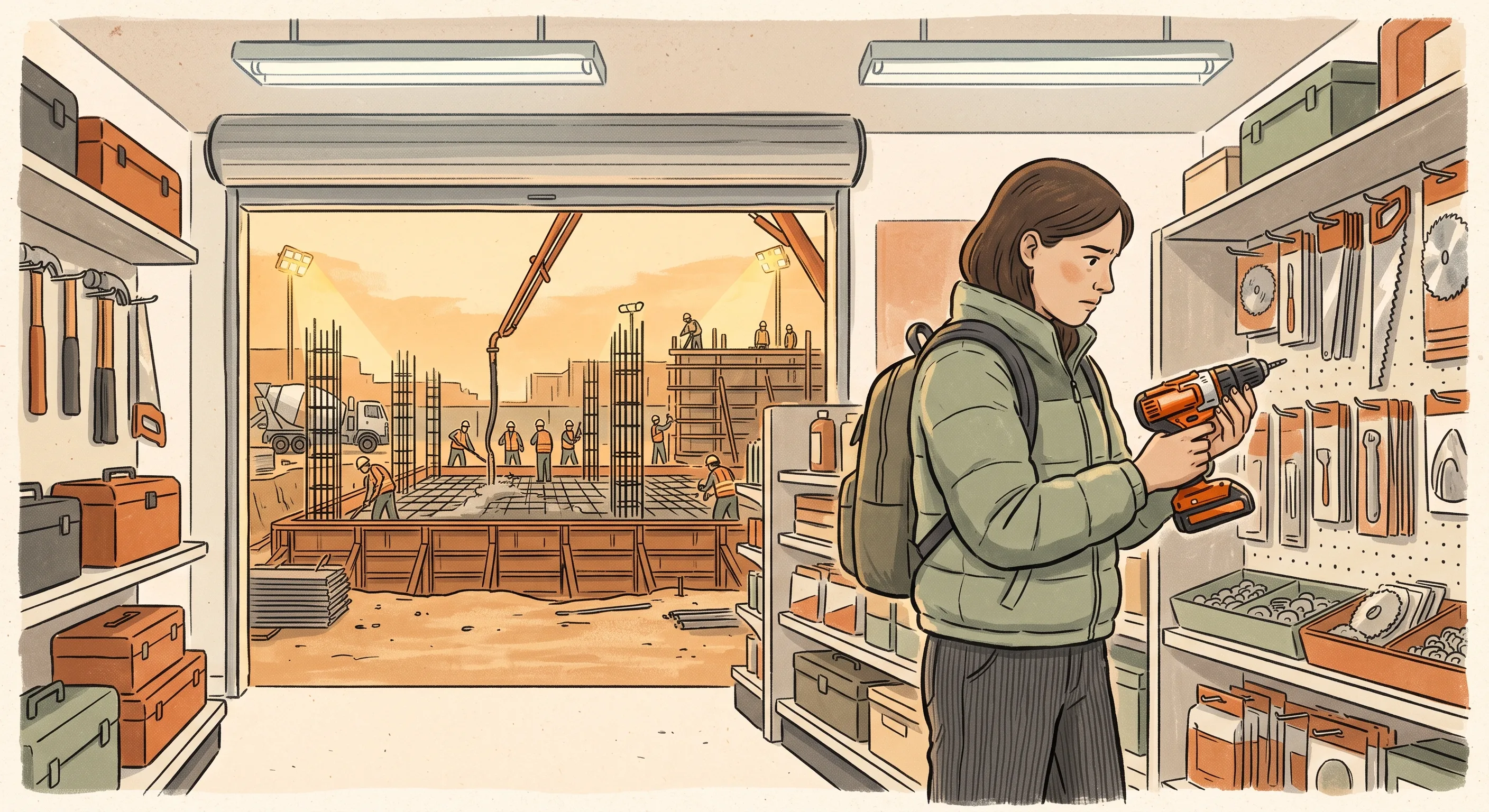
Five times the shipped work per engineer, and 56% of the AI usage sits outside engineering. Everyone asks which tools. Our vendor list is the least interesting thing about it. Here is the actual recipe, three posts, all of it copyable.
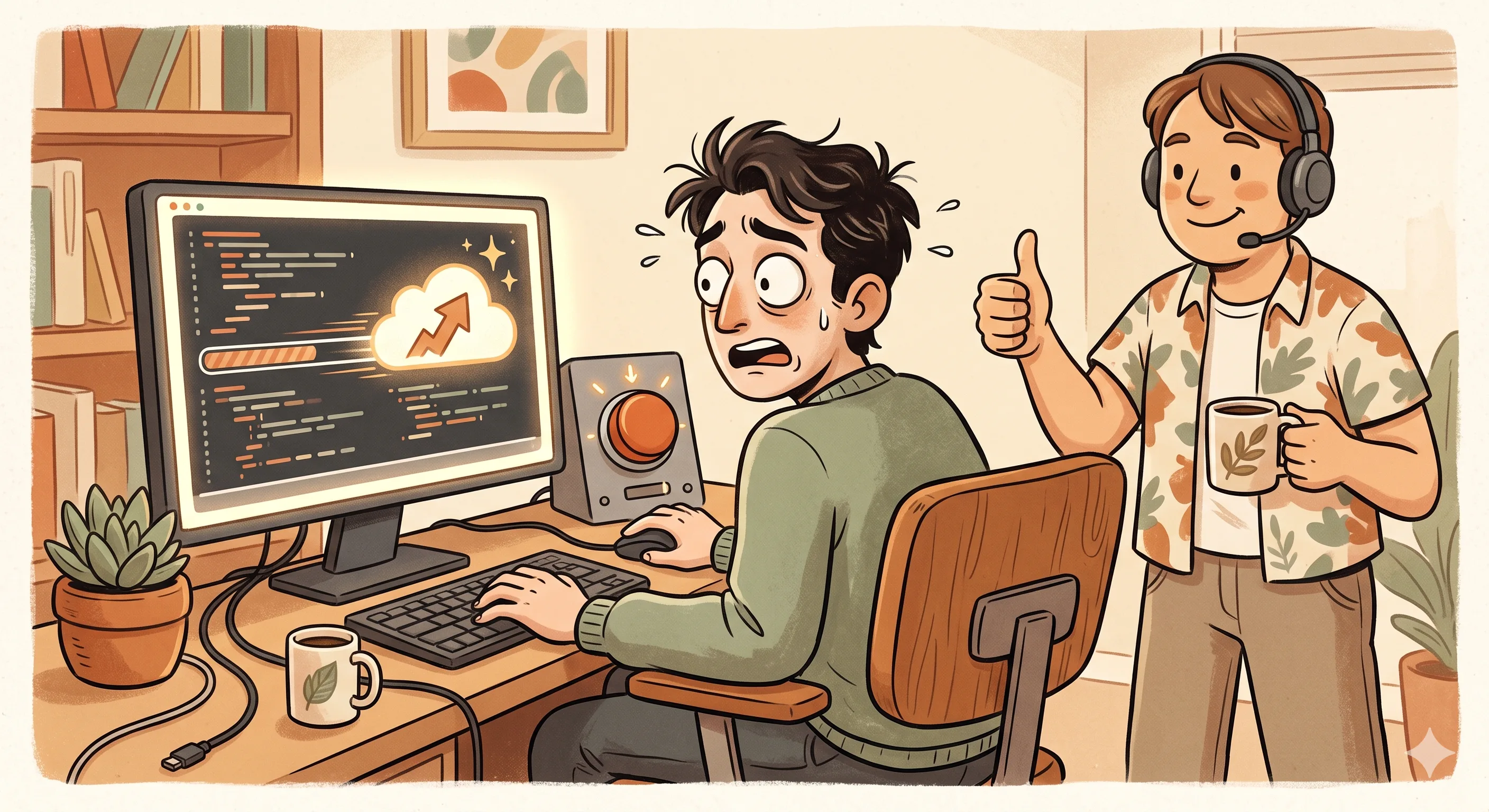
A colleague who has never opened a code editor shipped a feature to production. On purpose. Non-developers are about to start building software inside every organisation. Why it is happening, why you should want it, and how to handle the friction it lands on your engineers, including why we let go of human code review to get here.

Some of the sharpest engineers I know get mediocre results from AI, then conclude it cannot do the work. My theory: the tighter you grip, the worse it gets — and recent research is starting to agree. On humility, context, Scrum, and why direction beats dictation.

Best-in-class UX for accounting, expenses, CRM, bookkeeping. Nobody actually wants to use any of it. AI breaks that bargain and exposes what is experience, infrastructure, or rent.

The PR review that felt like an attack. The five-page AI analysis that lands worse. AI did not create the gap between sender and receiver — it walked into the room and sat down in it. What we need to change in how we talk to each other.
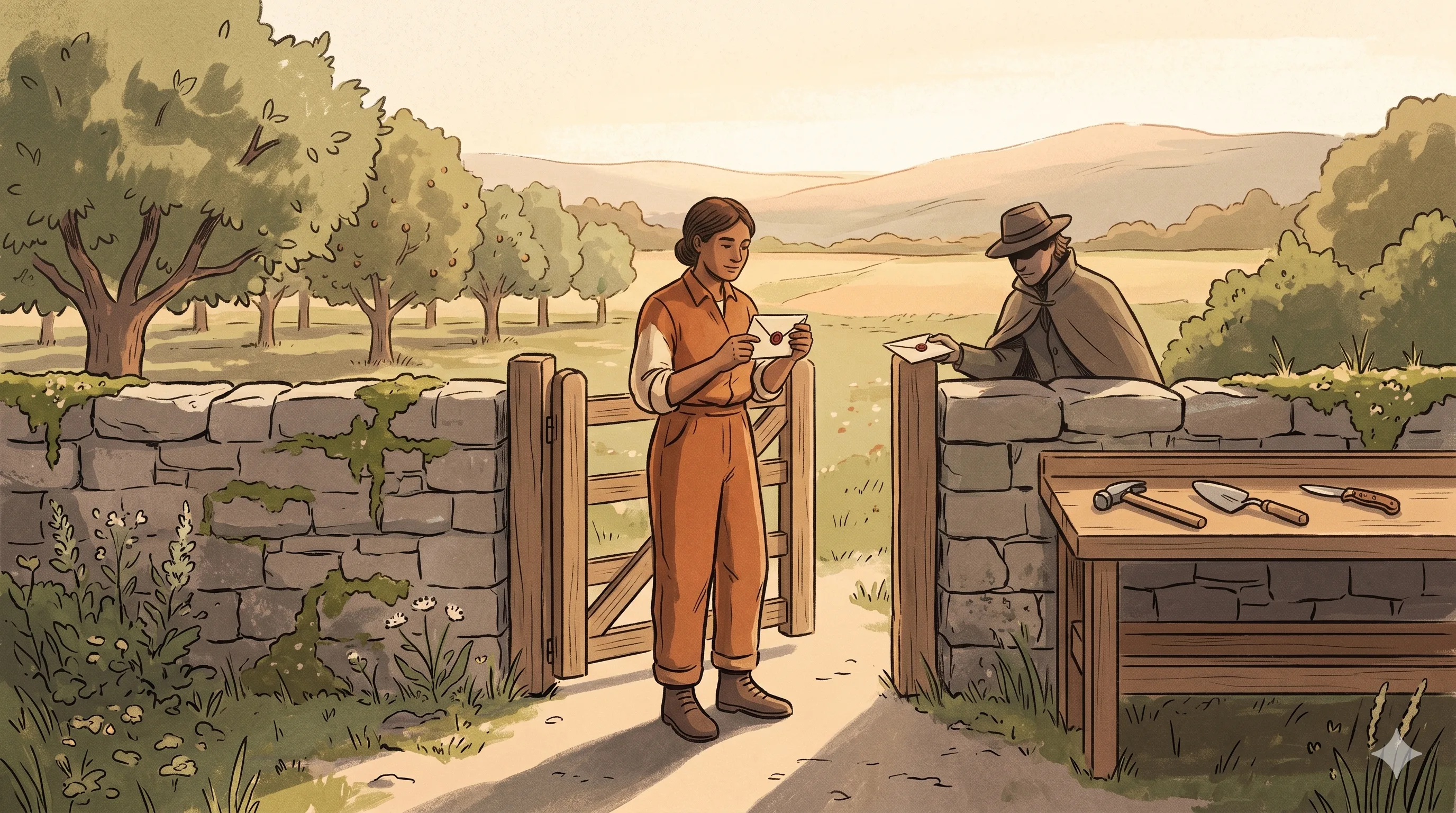
You cannot guardrail an LLM into safety. The real discipline is the one we already use for humans with production access: scope the perimeter, authenticate the source, contain the blast radius. Security for AI agents is a trust problem, not a content problem.

We cast product roles into LLM systems because a busy “team” looks like progress. The ugly truth: that impulse is human comfort—not what the model required.

Min bror Johan og jeg sidder i gamle biler og taler om AI, arbejdsliv og det, der betyder noget. Alle afsnit, afspilning og transskriptioner lever nu på Human Context.
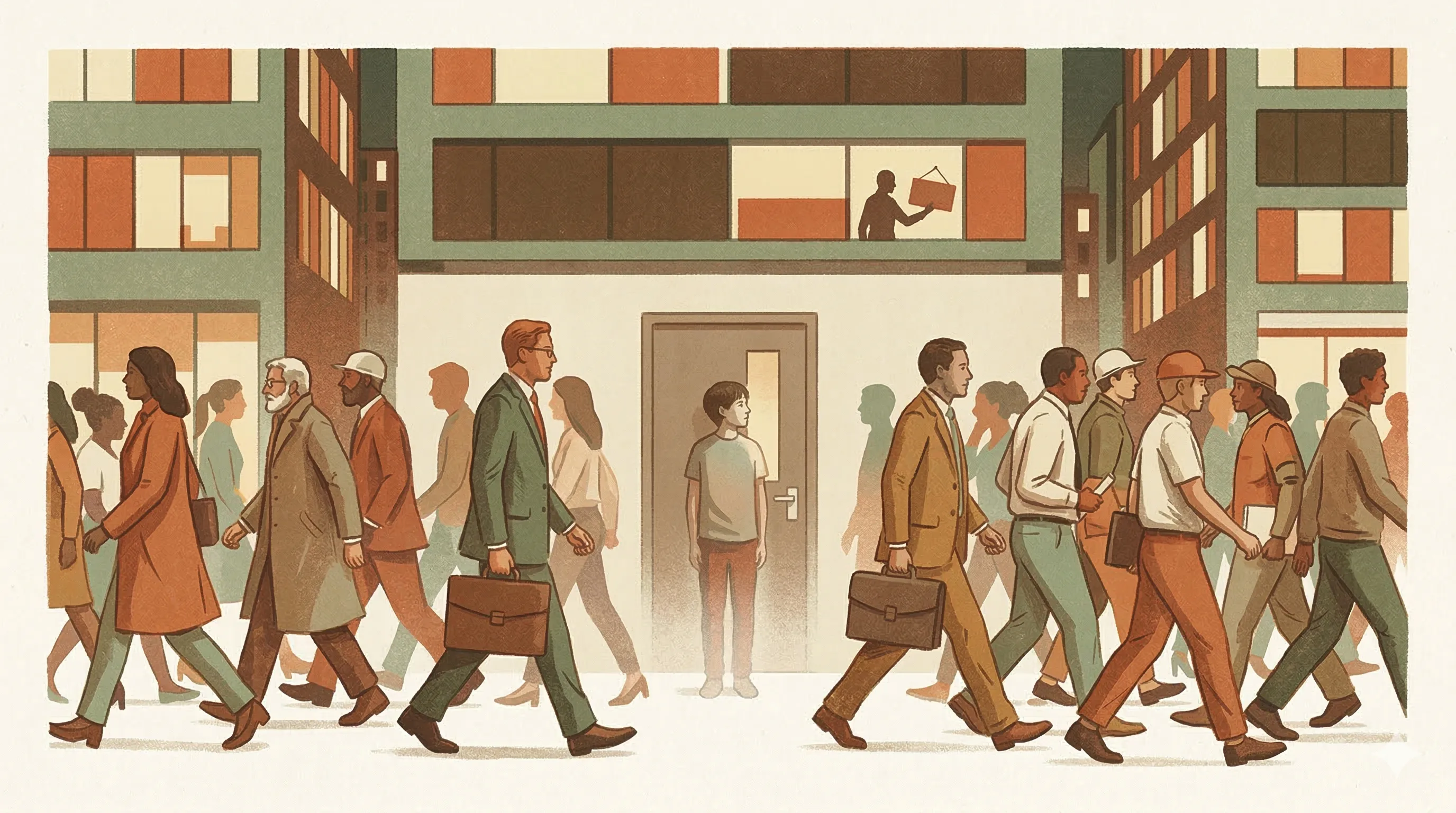
AI is already reshaping who gets hired. Swedish register data, investor predictions, and political silence all tell the same story. The casualties are silent — for now.
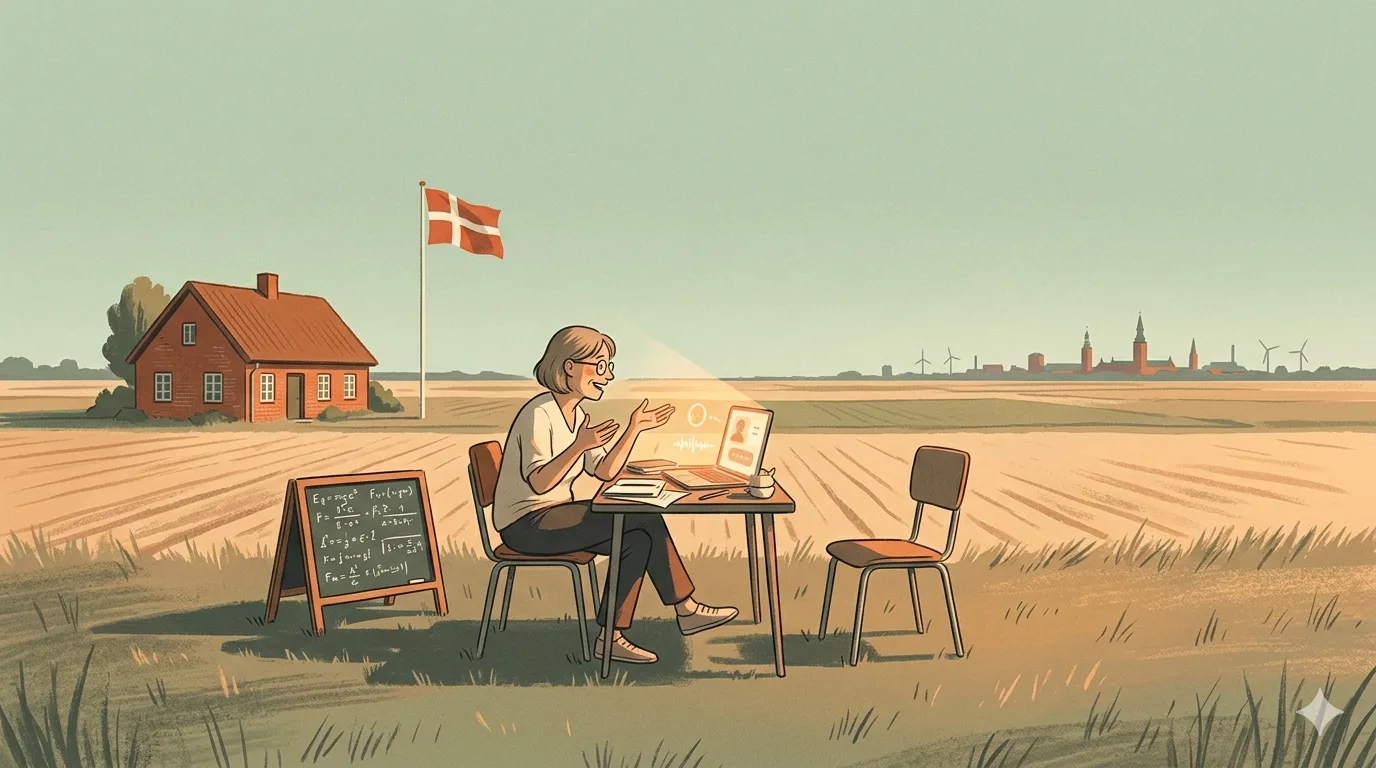
What does the Danish housing crisis have to do with AI? More than you think. On feedback loops, proximity, equality, and why context engineering might matter more than your postcode.
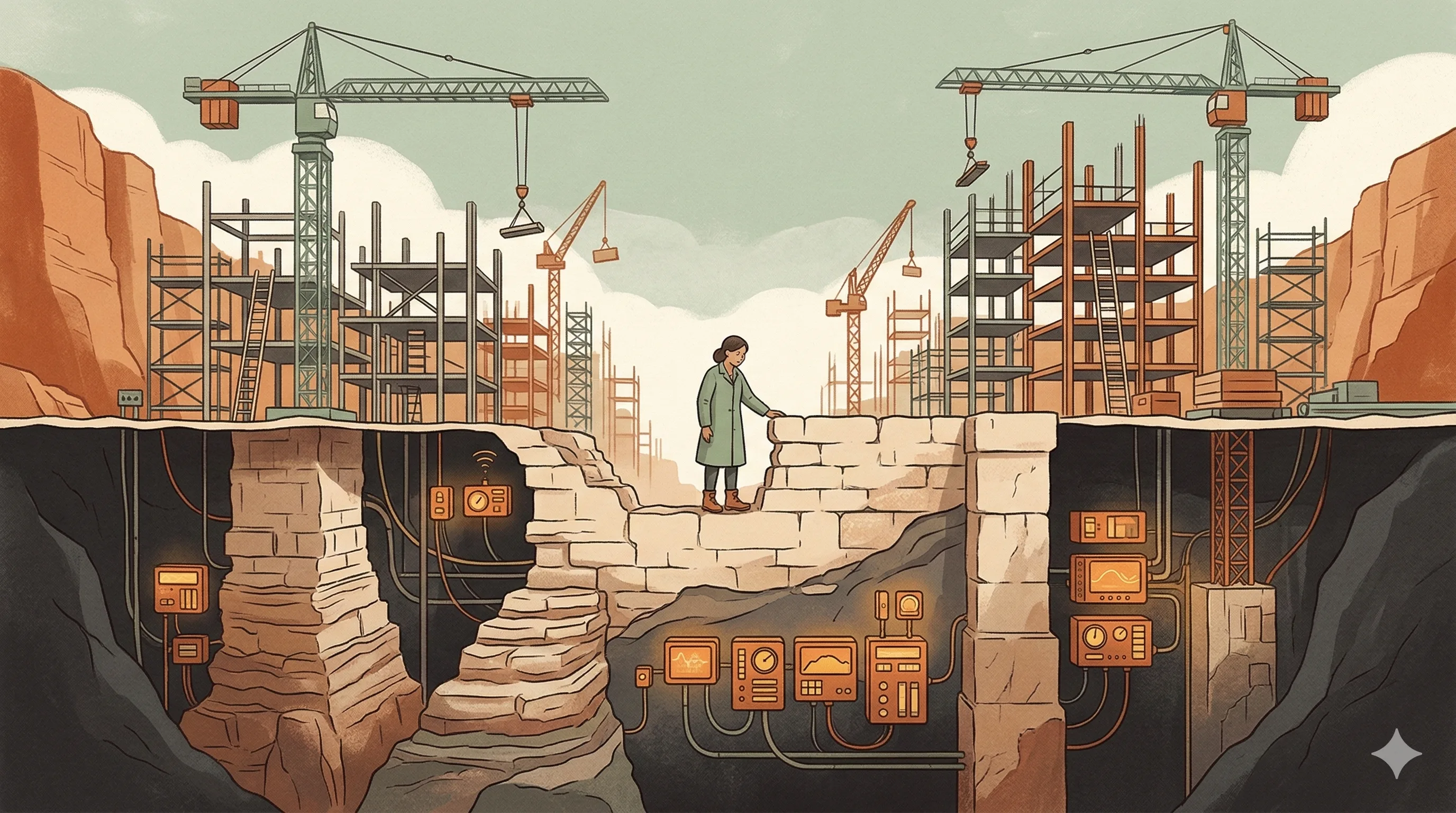
Infrastructure as code, production monitoring, and observability were always best practice. With AI, they become the bottleneck — or the force multiplier. On foundations, MCPs, and why context beats intelligence.
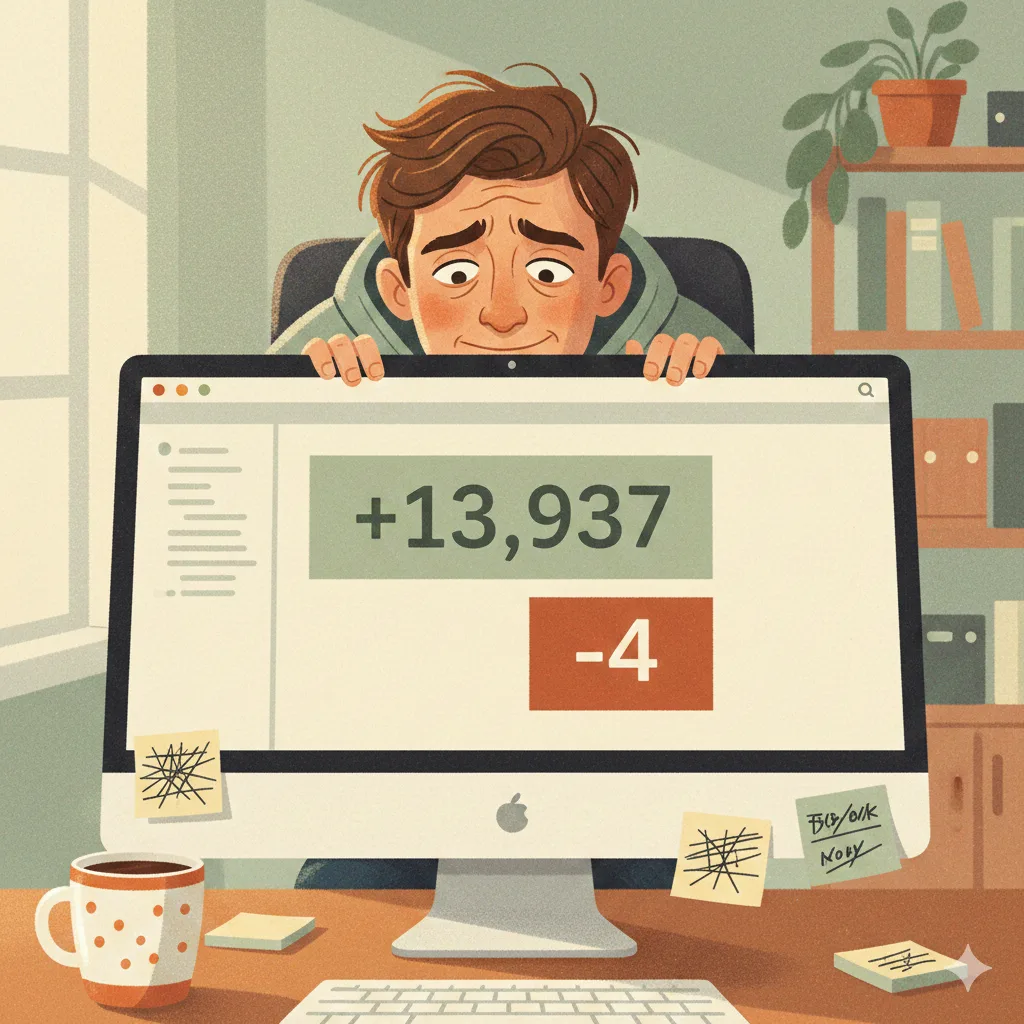
Senior developers are struggling with the emotional weight of AI change. The rules they upheld for decades aren’t wrong — the world just moved. On guilt, identity, and building a new code of conduct.

What happened when we drew a line in the sand — and set the old rules on fire. A story about ritual, letting go, and building custom software in the moment it’s needed.
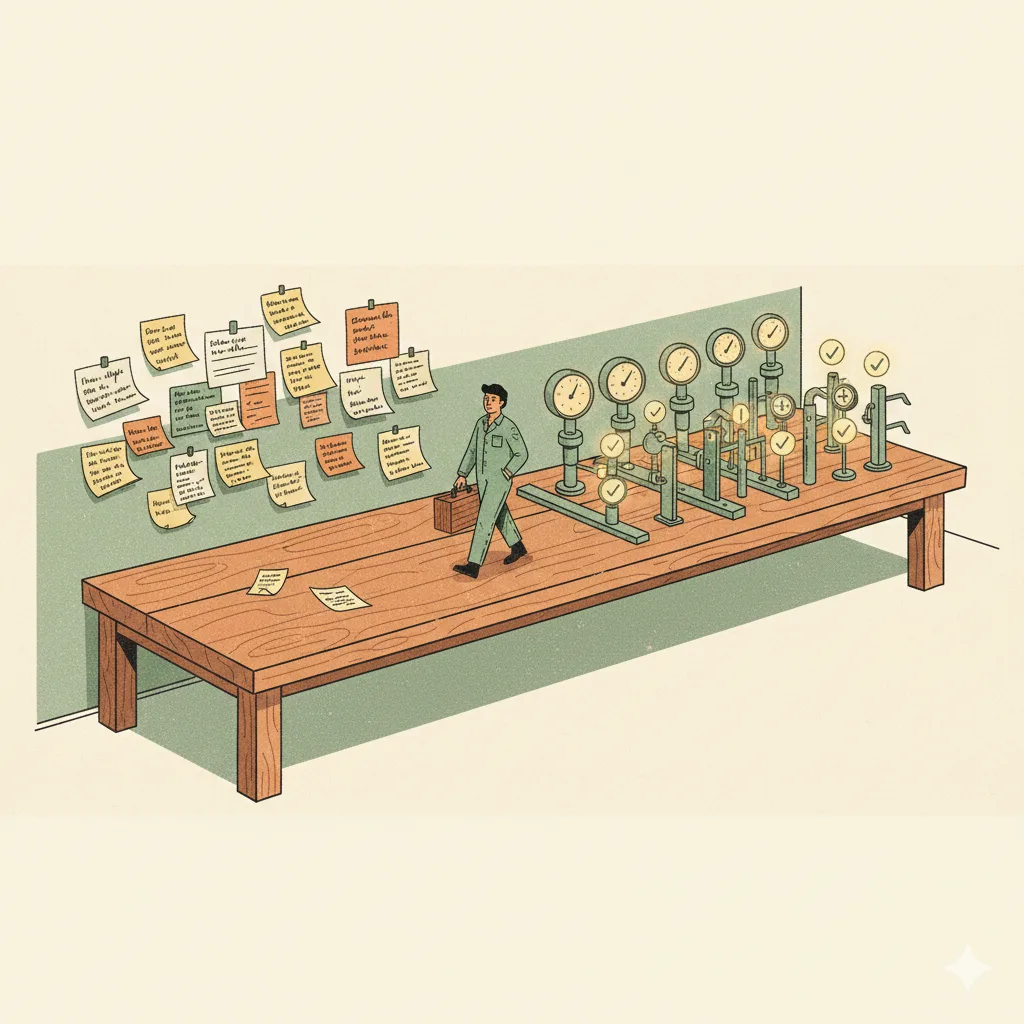
Stop relying on rules and prompts to enforce quality. Deploy linters, validators, and automated tests that make it impossible to ship the wrong thing. A practical pattern for deterministic AI-era engineering.
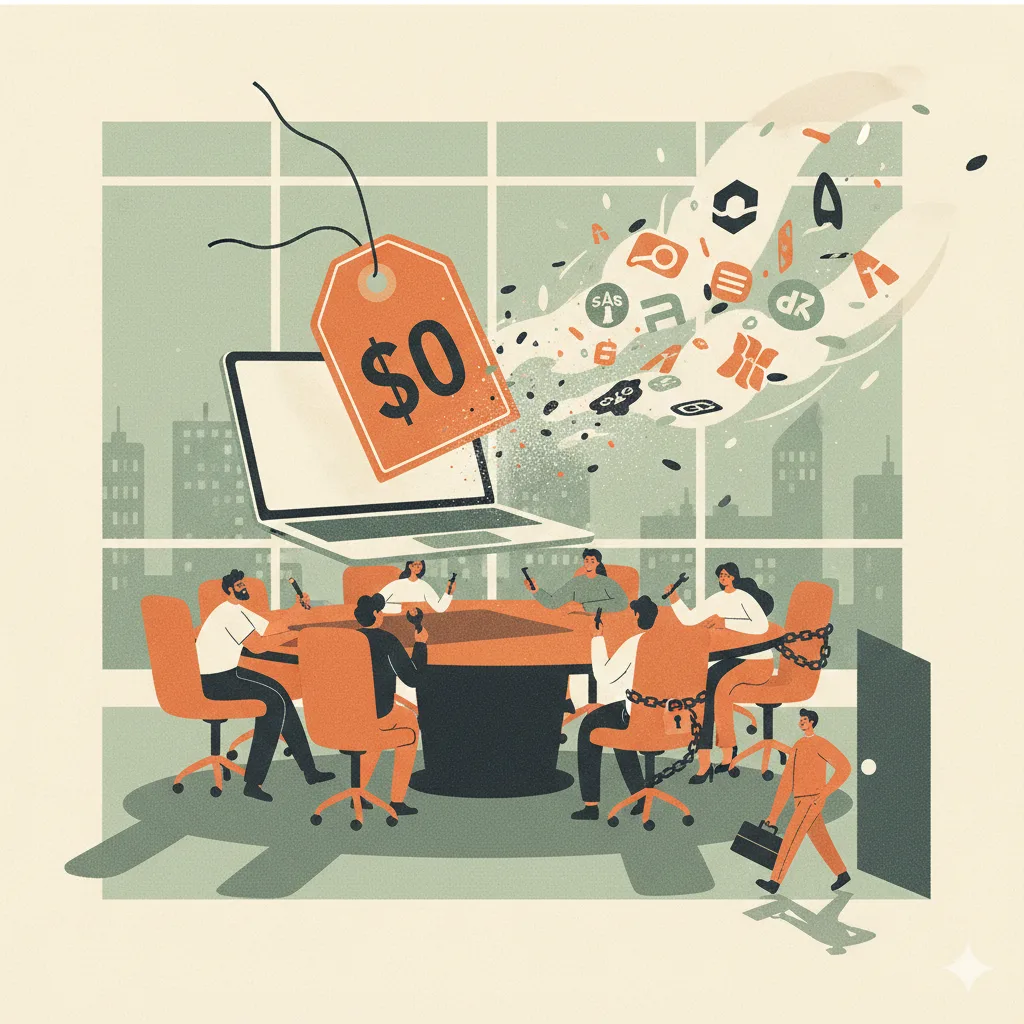
When AI makes software nearly free to build, what happens to intellectual property, SaaS pricing, and the millions of white-collar jobs that depend on it? A sharp look at who wins, who loses, and the window that’s closing fast.
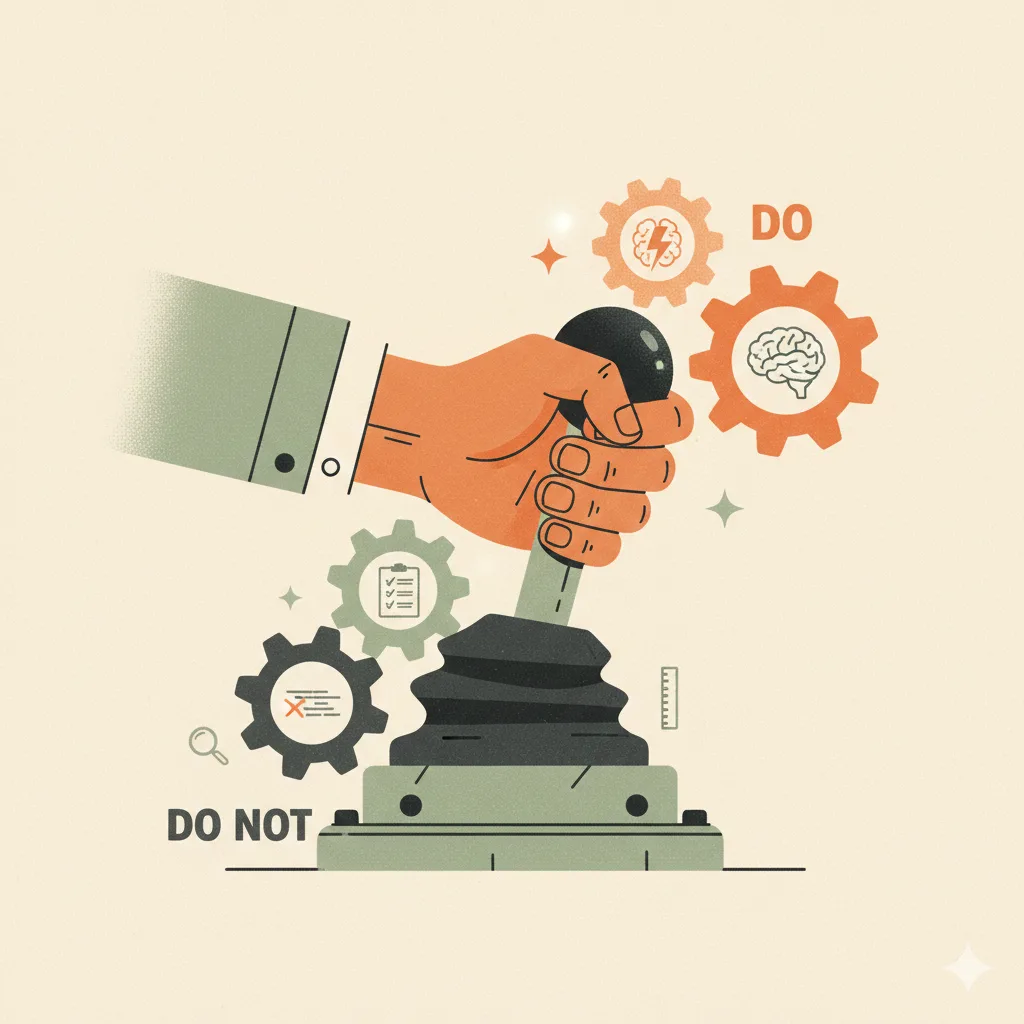
You’ve heard the theory. Here’s the practice. Concrete dos and don’ts for making the shift to AI-first engineering — from starting with the agent to letting go of language debates.
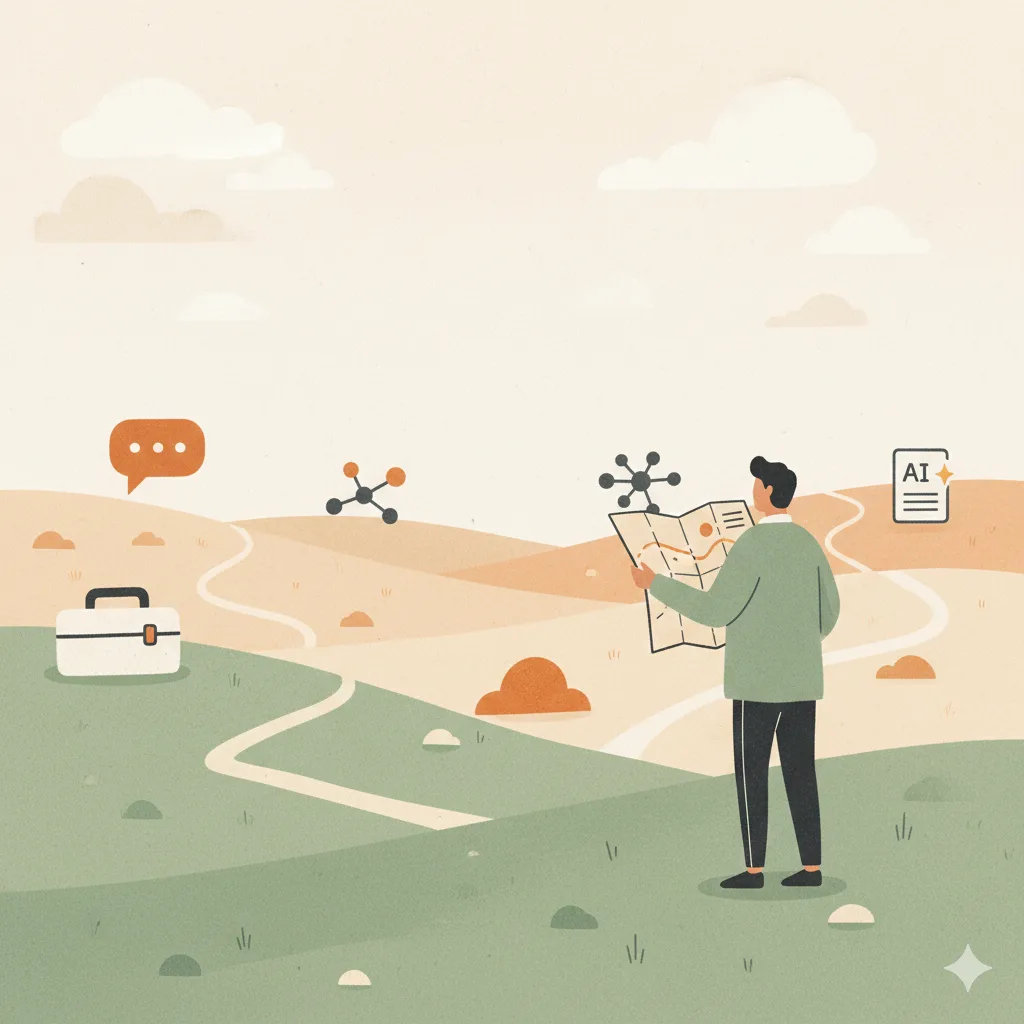
Too many AI tools, too many buzzwords. A practical, plain-language guide for non-technical people who want to understand the landscape and know when to use what.

The shows that keep me sharp — from deep technical dives to accessible Danish shows. With standout episodes for each to get you started.
What happens when AI writes the code? 75 real questions about productivity, quality, skills, burnout, open source, and the future — answered from direct experience building with AI every day.

A senior dev’s guide to high-impact AI-driven development. The excavator analogy, four principles, and battle-tested tactics for working with AI at production scale.